Keep the washer label's usage assumption with the estimate
An annual washer label is built on a usage assumption. Keep seven uses per week and the named setting attached before interpreting your own routine.
Updated:
Annual consumption comes with a usage pattern
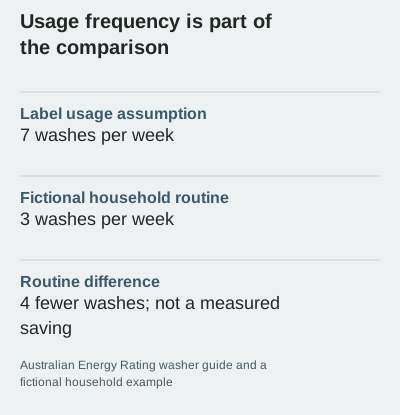
The Australian Energy Rating washer guide says the annual estimate assumes seven uses per week on the setting identified by the label. That is a useful common comparison basis, but it may not match your laundry routine. If you wash three times a week, the first conclusion is that your pattern differs from the assumption. It is not that the label is wrong, or that the displayed annual figure is a bill prediction tailored to you.
Washer label usage assumption ?
Keep the named setting in the same record
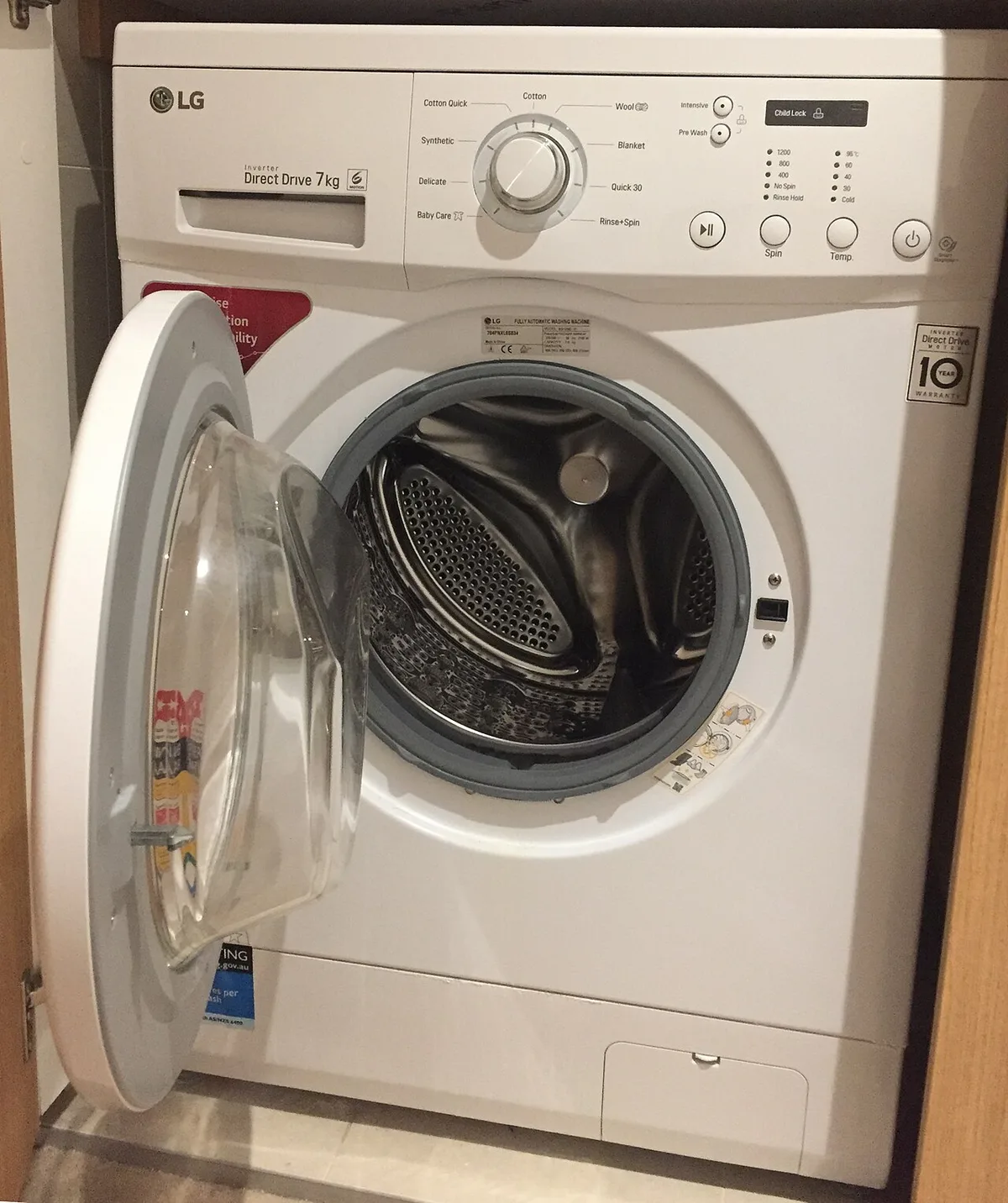
The real front-loader photograph shows a selector with several settings. A label estimate associated with one setting should not be described as the measured consumption of every position on that selector. Copy the programme name alongside annual kWh and the exact model. The government guide also distinguishes an optional cold-wash energy value from a warm-wash result. A cold option visible on a control panel does not, by itself, establish that a separately tested cold-wash energy figure has been published.
Calculate the stated scenario before attempting a new one
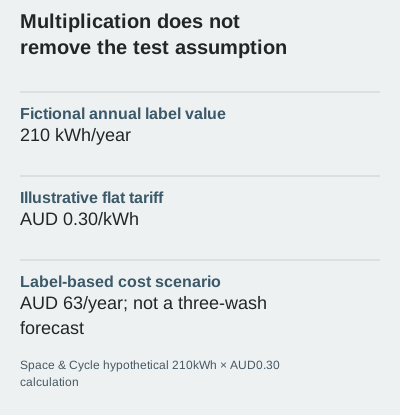
Take a deliberately fictional annual label value of 210 kWh and a fictional flat tariff of AUD 0.30 per kWh. Multiplication gives AUD 63 for the annual input as stated. This is not the price of a tariff plan or the expected bill for a three-wash household. The calculation preserves the assumptions embedded in its input. Clearly naming the scenario is more useful than presenting a precise-looking amount and hoping the reader notices that the usage frequency was never adjusted.
Do not treat simple scaling as a new test result
Multiplying an annual figure by three-sevenths can look like an easy adjustment for three washes instead of seven. However, that shortcut assumes the relevant consumption scales in exactly that way and that all other conditions stay comparable. It should not be presented as measured household consumption. Programme choice, load conditions and the composition of the published estimate still need consideration. If the required per-cycle evidence is unavailable, retain the label comparison and state that the personalised estimate has not been established.
Separate the machine's appearance from its evidence
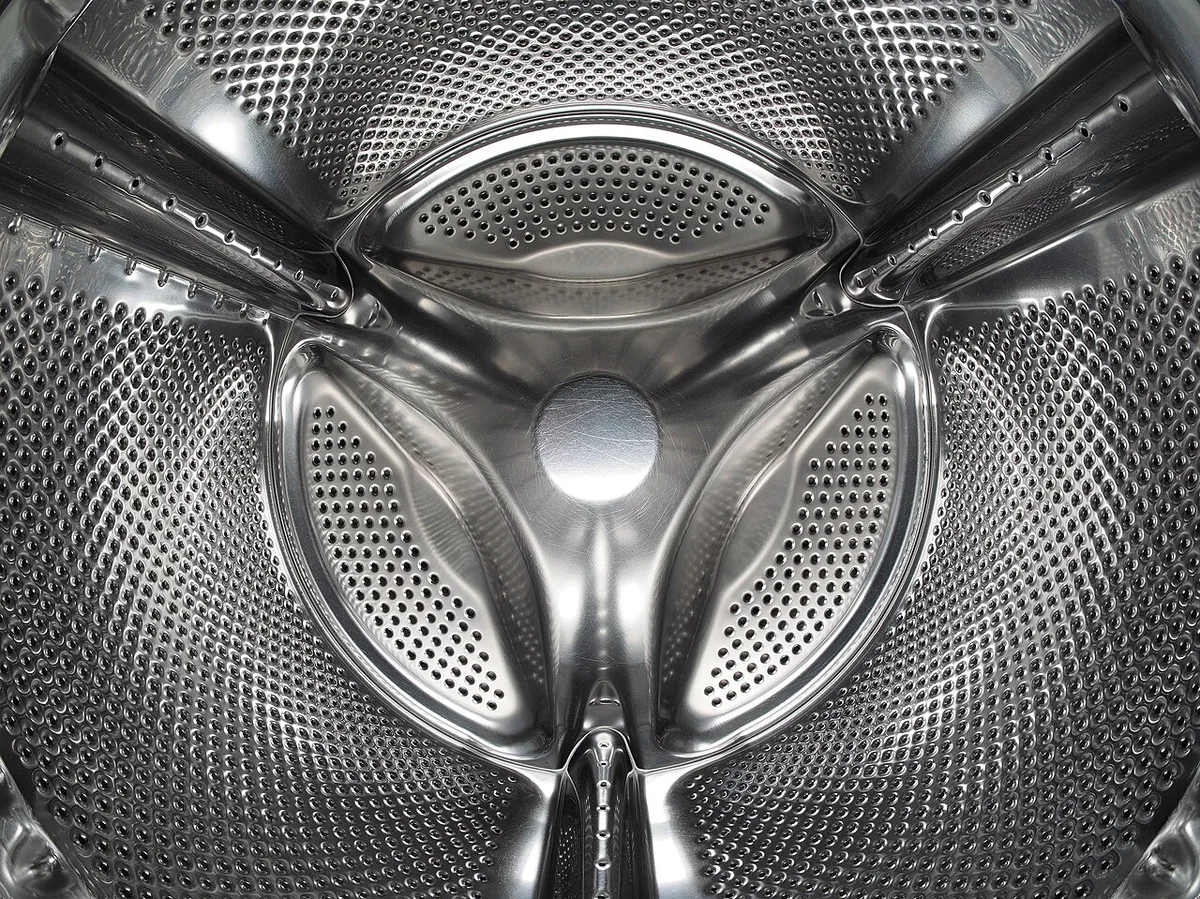
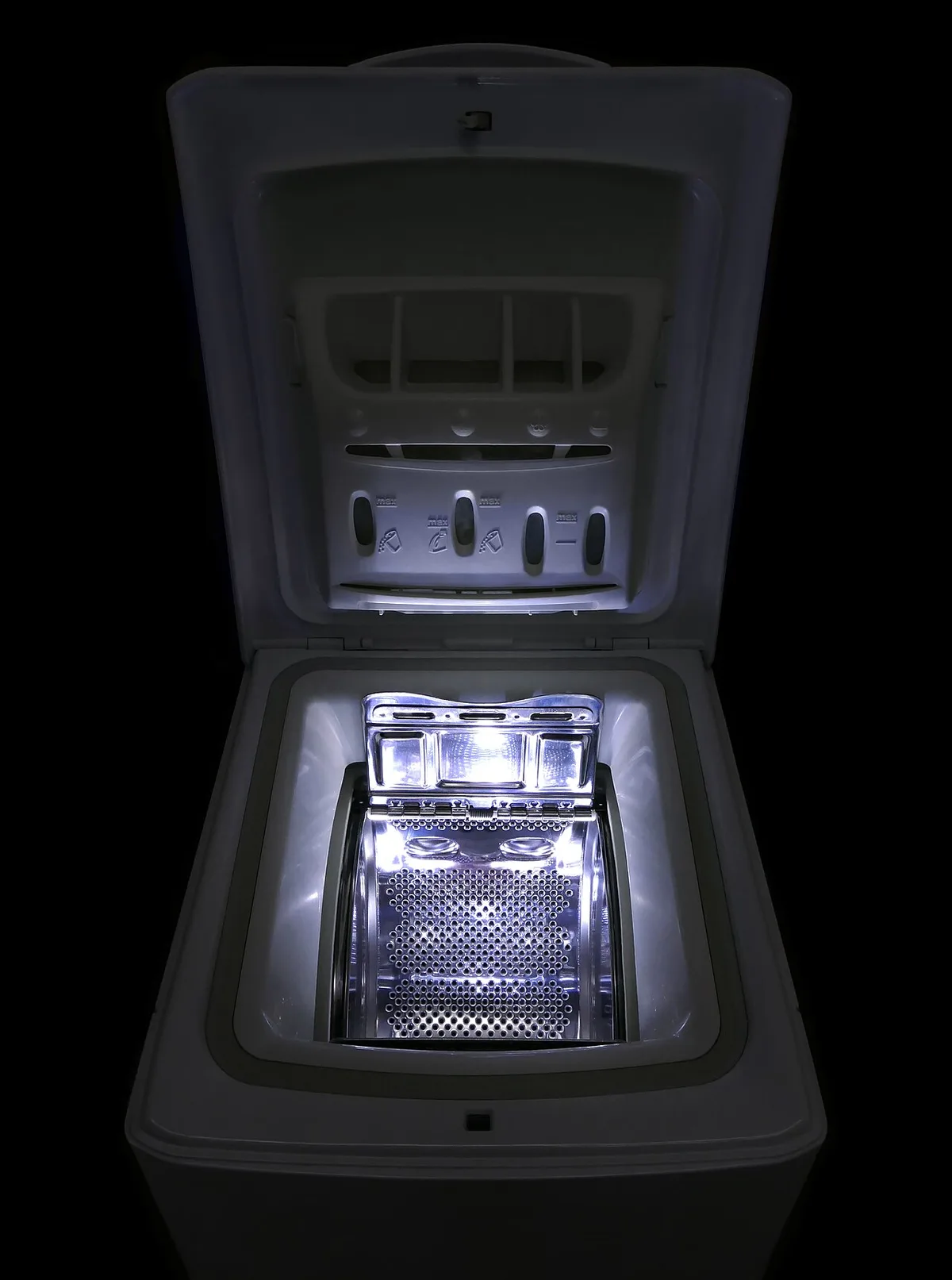
The close-up drum photograph shows another Bosch model, while the top-loader photograph shows a different loading arrangement in Sweden. Neither proves an Australian energy result. They help identify physical questions such as access and construction that belong alongside, rather than inside, an energy comparison. A familiar brand or similar drum does not supply a missing model-specific value. Compare documented figures for the actual candidates and avoid filling an empty field with information taken from a visually similar appliance.
Use the label for the decision it supports
For a shortlist, preserve exact model, relevant capacity, annual kWh, programme and usage assumption. For an AUD scenario, add an applicable tariff and label the result according to those inputs. The annual electricity tool performs multiplication; it does not create a new tested consumption figure or infer your household schedule. If your main use is a programme for which evidence is missing, make that the next question for the supplier. A transparent unresolved question is more useful than a low cost number built on an unsupported substitution.