Keep the exact appliance model and document version together
An exact model code and document identifier prevent unrelated specifications from being combined. Keep version information beside every important appliance figure.
Updated:

Keep the exact model beside the number
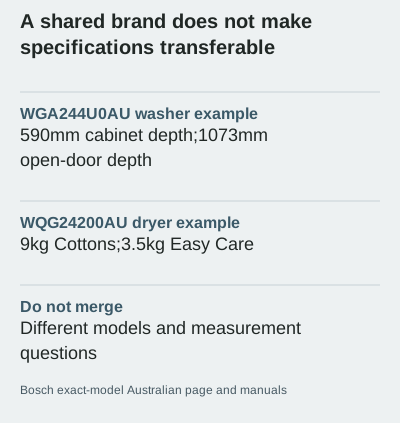
A specification loses meaning when it is copied without its product identity. In our washer example,WGA244U0AU has a documented 590 mm cabinet depth and 1073 mm depth with the door open. Those numbers should travel with the model and the condition they describe. A nearby product in the same brand range may look similar while using different dimensions or instructions. Do not let a spreadsheet column headed Bosch replace the complete identity needed to trace the information.
WGA244U0AU Australian product status and open-door dimensions ? WGA244U0AU programme-specific load limits ? WQG24200AU programme limits and indicative cycle energy ?
Save the document identifier rather than only its title
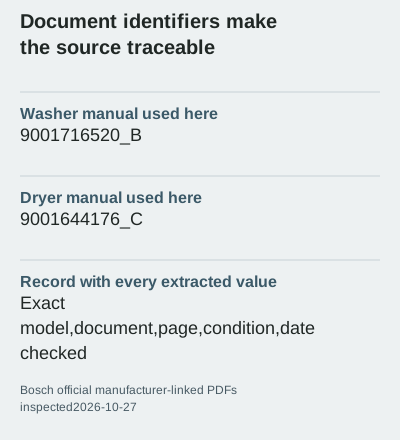
The washer manual used here is 9001716520_B; the dryer manual is 9001644176_C. A title such as user manual is too broad to distinguish them later. Keep the identifier, source link, relevant page and date checked with any extracted figure. If a supplier provides another document, compare its applicability instead of assuming that the later-looking filename automatically governs your unit. The exact supplied model and version need to match the instructions being relied upon.
Preserve the condition that qualifies the figure
The WQG24200AU dryer manual lists 9 kg for Cottons and 3.5 kg for Easy Care. Copying only 9 kg into a note about Easy Care would create an error even though the model code remained correct. Likewise, a closed-cabinet depth and open-door depth are not interchangeable. Write the programme, option or physical state as part of the record. A short qualified entry is easier to verify than a bare number that requires someone to rediscover what it meant.
Use photographs to identify questions, not substitute evidence
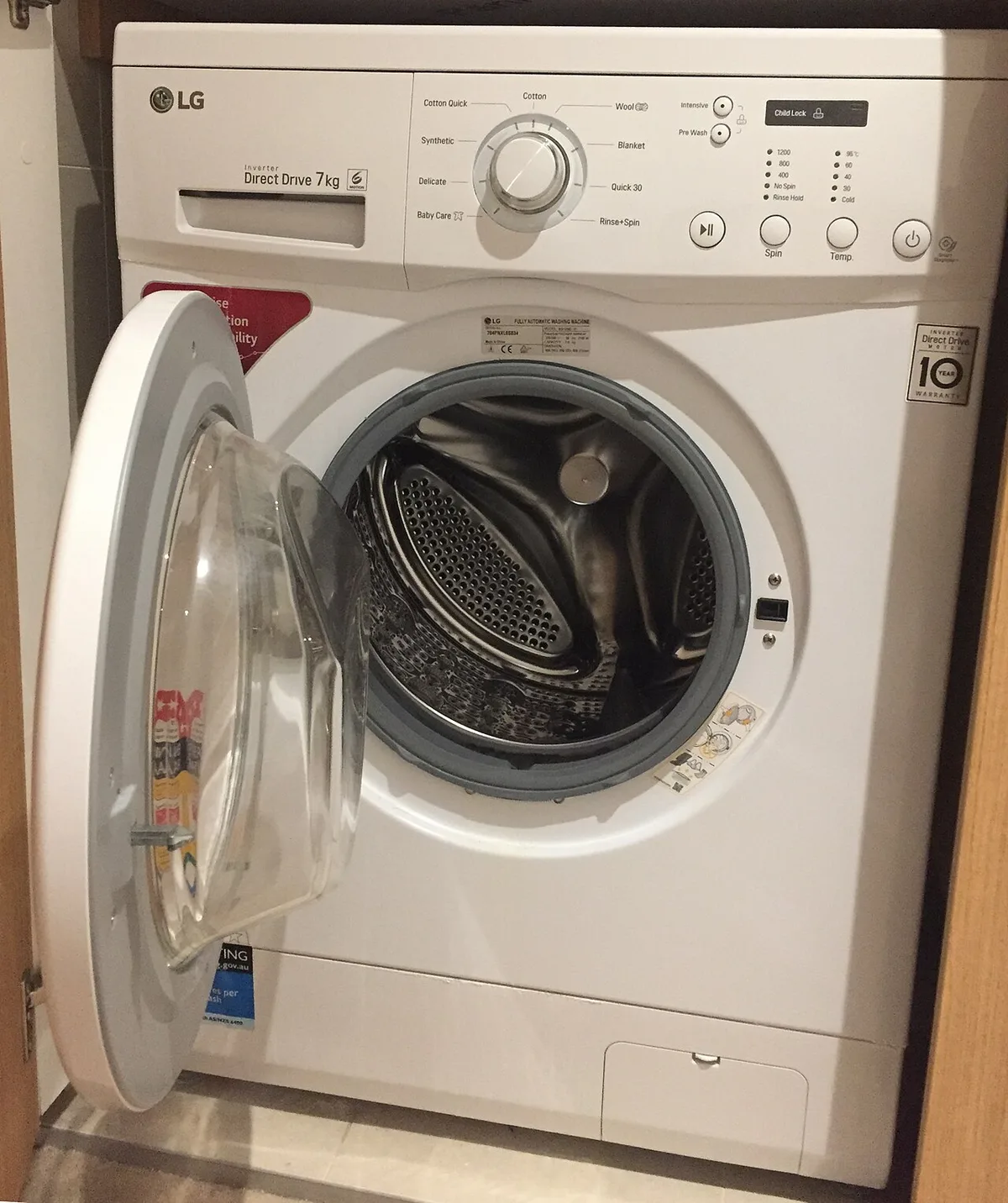
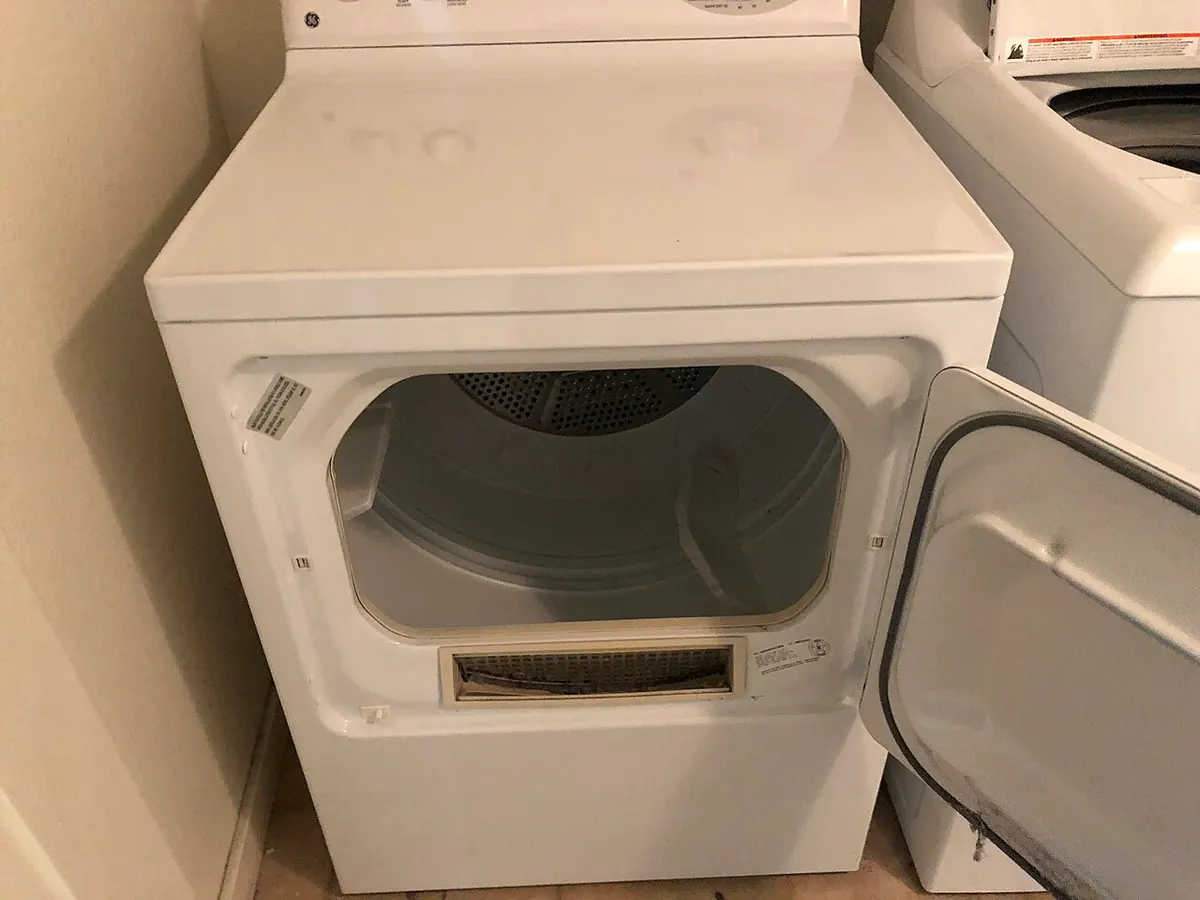
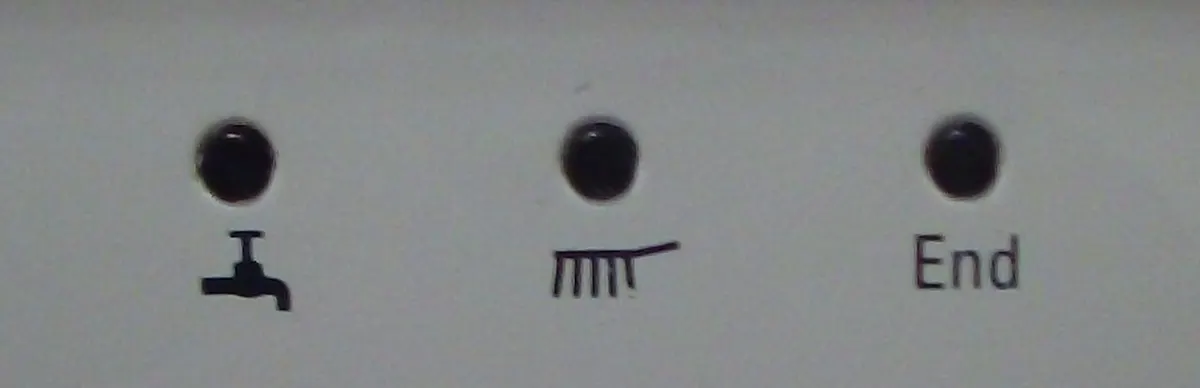
The LG front-loader photograph and GE dryer photograph show different appliances from the Bosch documentation examples. Their controls, doors and drums help illustrate what kinds of questions arise, but they cannot authenticate a model-specific value. The Siemens indicator image is another distinct product. Keep these visual references clearly labelled so they do not become accidental evidence when a reader scrolls past a source link. A recognisable logo is not enough to connect a photograph to a different manual.
Do not silently combine conflicting records
When two documents appear to disagree, first check model, version, market, measurement condition and publication context. A cabinet dimension and packaged dimension can both be valid while answering different questions. An energy figure can also depend on its test basis. Record the apparent conflict and seek the applicable current information rather than choosing the value that makes a purchase fit. This keeps the uncertainty visible and prevents a tidy comparison from hiding an unresolved mismatch.
Make the evidence easy to revisit
For each important decision, retain one compact entry containing exact product, document identifier, page or section, value with units, qualifying condition and checked date. Store the original link and avoid overwriting an older note without recording the change. This is particularly useful when a quote, delivery plan or programme choice changes after the initial shortlist. The purpose is not paperwork for its own sake: it is to ensure that a measurement or capacity claim can be checked against the right source before it drives a real purchase.
Open official model documentation ? Open official model documentation ? Open official model documentation ?