Keep energy stars and water stars in separate comparisons
Energy stars and water stars are different measures. Keep annual kWh, litres per cycle and their test conditions in separate comparison fields.
Updated:
Keep the two star ratings in separate columns
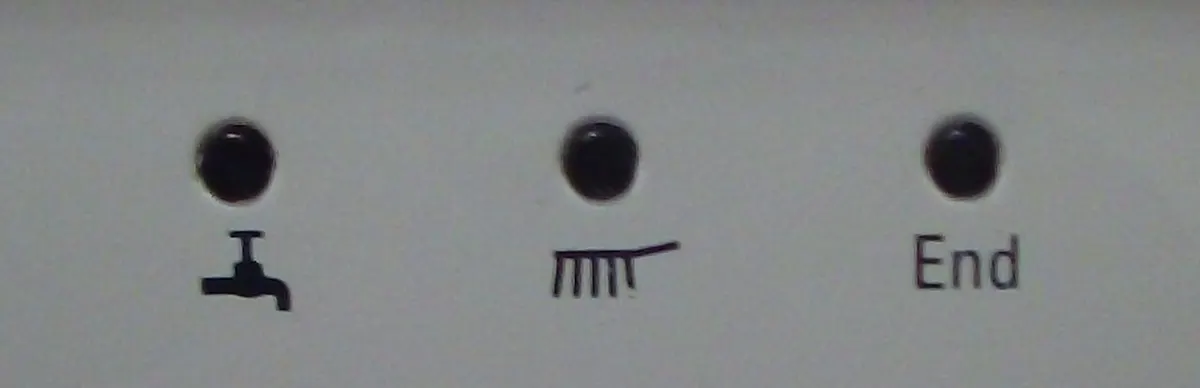
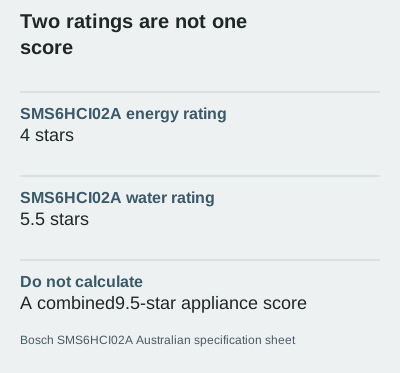
The SMS6HCI02A Australian specification lists four energy stars and 5.5 water stars. These numbers describe different rating systems. Adding them to create a 9.5-star overall score would invent a measure that neither source provides. A comparison should preserve energy and water as separate fields, alongside the relevant consumption figures. The Siemens indicator photograph on this page is not either kind of rating label; it shows why a visible appliance symbol should not be mistaken for verified efficiency information.
SMS6HCI02A official AU specification ? Annual consumption and star comparisons ? Water label fields ?
Use the consumption units to identify the question
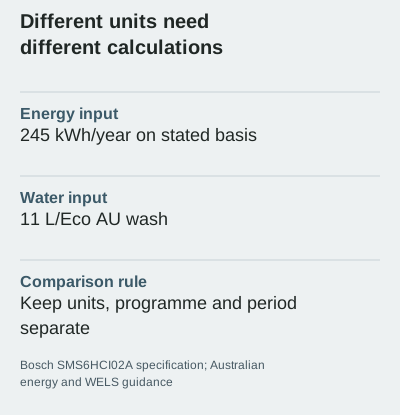
For the same documentation example, 245 kWh is an annual energy figure on its stated basis, whereas 11 L is water per Eco AU wash. Kilowatt-hours and litres are not interchangeable, and annual and per-cycle periods are different. The energy figure can support an electricity-cost scenario with an appropriate tariff. The water figure can support a cycle-volume scenario. Each calculation needs its own assumptions before the results can be compared meaningfully, rather than combined simply because they appear on the same sales sheet.
A rating can organise a shortlist without deciding everything
Official energy guidance uses comparable capacity and features as part of interpreting star comparisons. WELS supplies water information with model and tested-cycle details. Those facts help organise a shortlist, but they do not answer whether the appliance fits the room, accommodates your difficult items or offers the programme central to your routine. Decide which questions matter before ranking the candidates. A higher number in one column should not silently erase an unresolved practical requirement in another.
Look at the controls without borrowing their meaning
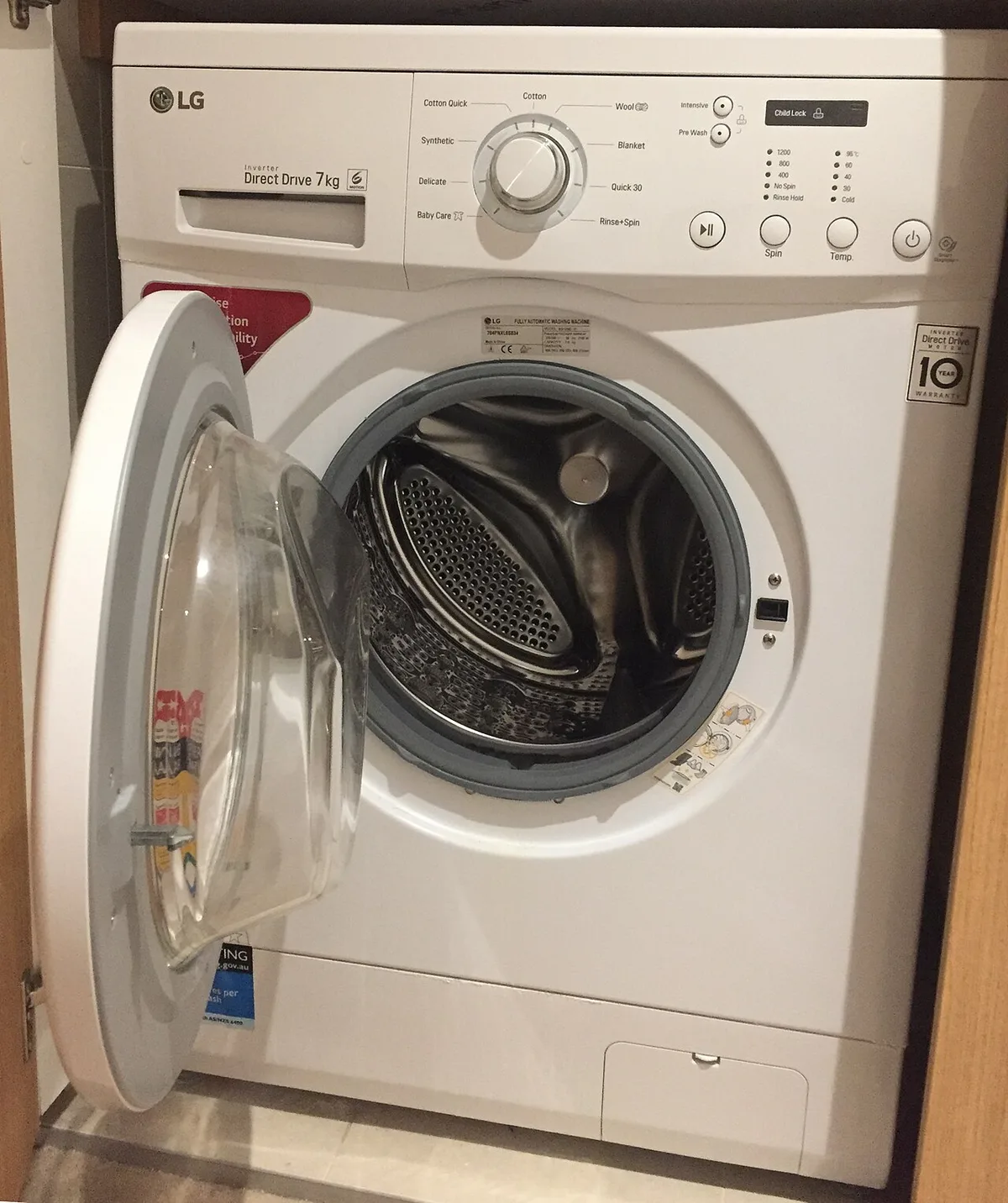
The real washing-machine photograph shows several programme choices, but it cannot establish the energy or water use of a different appliance. A control that looks familiar is not evidence of a matching test setting. Preserve the exact model and programme beside each numerical input. If one source only names a broad product family, seek the specific record before using its values. This prevents a comparison from becoming a mixture of genuine figures that happen to describe different machines.
Keep rack fit outside the rating arithmetic
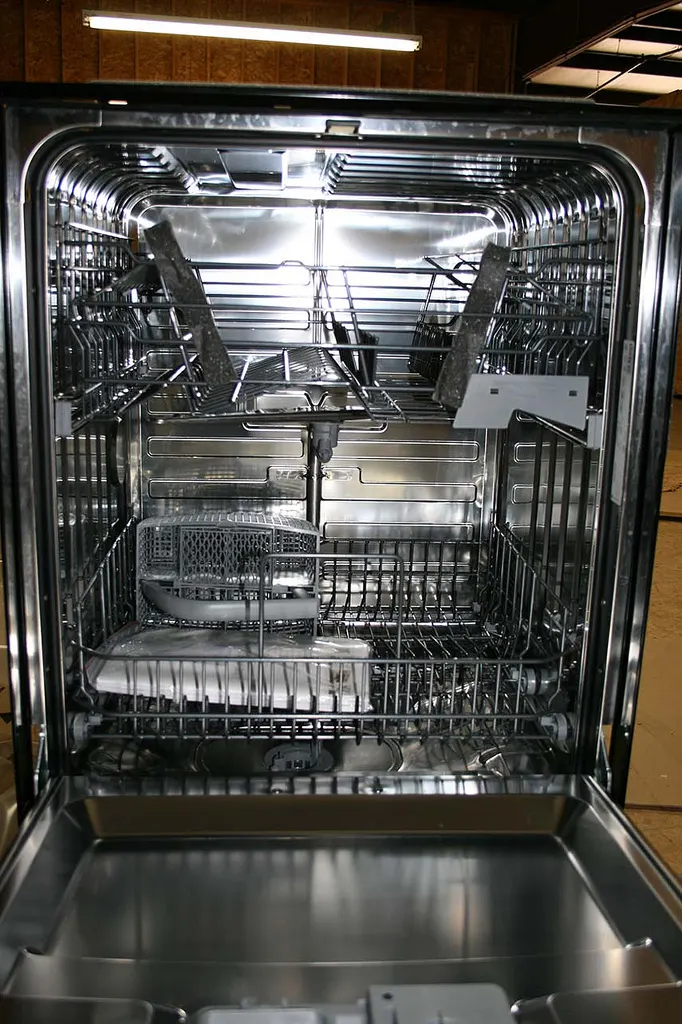
The empty dishwasher-rack photograph illustrates physical arrangement. It does not prove a water rating or a cleaning result. Large cookware may raise a fit question even when a candidate has an attractive resource rating. Check that question using the actual model and its loading instructions, then return to the resource comparison. Do not convert an appealing interior photograph into a claim that more dishes will fit or that fewer cycles will be needed; those assumptions would change the cost scenario without evidence.
Make the final comparison readable
Use separate entries for model, relevant capacity, energy stars, annual kWh, water stars, litres per tested cycle and source date. State missing values plainly. If producing a cost scenario, identify the tariffs and schedule rather than displaying a single unexplained green score. This keeps the decision open to the user's priorities without inventing a universal weighting between electricity and water. The result is a shortlist whose differences can be inspected, updated and challenged using the original sources, instead of a ranking built from incompatible units.
Open official model documentation ? Open official model documentation ? Open official model documentation ?